Herzlichen Glückwunsch zum Siebzigsten, Al Pacino!

April 24, 2010

Seine letzten guten Filme liegen schon einige Jahre zurück, aber davor spielte er in einigen All-Time-Klassikern mit: Der Pate (alle drei Teile), Asphalt-Blüten (fast unbekannt), Serpico, Hundstage, …und Gerechtigkeit für alle (Mein erster Al-Pacino-Film), Cruising, Scarface, Melodie des Todes (nach einer vierjährigen Kinopause), Dick Tracy (aus heutiger Sicht für die aktuellen Comicverfilmungen als Missing Link einen neuen Blick wert), Glengarry Glenn Rose, Der Duft der Frauen, Carlito’s Way, Heat, City Hall, Donnie Brasco, Im Auftrag des Teufels (vor allem wegen Al Pacino als —),  The Insider, An jedem verdammten Sonntag, Insomnia – Schlaflos und seine ungewöhnliche Shakespeare-Verfilmung „Al Pacino’s Looking for Richard“ (auch Regie).

Hier einige, wenige seiner großen Momente:


KrimiWelt-Bestenliste Mai 2010

April 24, 2010

Vögel zwitschern, Bäume schlagen aus und die Damen und Herren der KrimiWelt kredenzen ihre Bestenliste für den Monat Mai:

1 (1) Josh Bazell: Schneller als der Tod

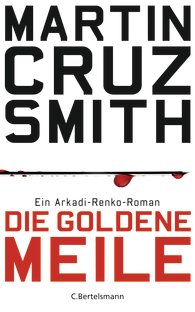
2 (3) Martin Cruz Smith: Die Goldene Meile

3 (9) Ian Rankin: Ein reines Gewissen

4 (-) Paco Ignacio Taibo II: Der Schatten des Schattens

5 (8) Arne Dahl: Dunkelziffer

6 (-) Friedrich Ani: Die Tat

6 (-) Michael Connelly: So wahr uns Gott helfe

7 (-) Gerben Hellinga: Dollars

7 (5) Paulus Hochgatterer: Das Matratzenhaus

8 (-) Adrian McKinty: Der sichere Tod

In ( ) ist die Platzierung vom Vormonat.

Fünf Neueinsteiger ist schon wieder eine ganze Menge. Einiges davon liegt auch auf meinem Zu-Lesen-Stapel. Denn in den vergangenen Tagen hatte ich verdammt wenig Zeit. Ansonsten befindet die Liste sich fest in Männerhänden und die Ani-Begeisterung werde ich wahrscheinlich nie verstehen.

Kopfschüttelnd lese ich den neuen Blettenberg, „Murnaus Vermächtnis“, weiter. Feines Buch. Jedenfalls die ersten Seiten.


Kleinkram

April 22, 2010

Denis McGrath schreibt über seine Erfahrungen als Freelance-Autor für „SGU Stargate Universe“, dem neuesten Ableger im Stargate-Kosmos.

Gar Anthony Haywood schreibt über seine Lektüre von James Crumleys „The last good kiss“:

More than one reviewer over the years has called THE LAST GOOD KISS nothing less than “the best private eye novel ever written,” but I think that’s merely what it could have been, had Crumley shown a greater regard — or any regard, really — for realism. And plots that do more than circle back upon themselves, over and over again. Whatever the best private eye novel ever written really is — and that’s a debate for another day — I have to believe it’s a much deeper read than THE LAST GOOD KISS, and that its author did a better job of balancing pathos with the absurd.

Der Krimiautor nennt auch seine großen Vorbilder:

I was reading people like Lawrence Block and Ross MacDonald; John D. McDonald, Raymond Chandler and Jonathan Valin. Authors who showed little or none of the interest in super-sized fantasy that Crumley appears to have exulted in. Block, in particular, took pains to scale everything in his stories back — character, dialogue, sex — to keep all within the realm of the genuinely possible, doling out humor, in particular, in doses Crumley would have no doubt considered miserly. Block’s was a style of writing within genre I found most involving from a reader’s perspective, and most challenging from a writer’s, and so it was Block whom I ultimately chose to emulate — as I continue to do today. (I’ve yet to reach the Grand Master’s level, of course, and indeed, I never may. But Block’s stuff is still my target, and I’ve got no problem admitting it.)

Julia Buckley hat sich mit Michael Harvey unterhalten.

Spinetingler feiert den Zwanzigsten von der unterschätzten Charles-Willeford-Verfilmung „Miami Blues“.

Der Noir of the Week ist „Das Testament des Dr. Mabuse“ (D 1933, Regie: Fritz Lang, Drehbuch: Thea von Harbou).

Bei Script Collector gibt es die Drehbücher zu den aktuellen Kinofilmen

Jane Goldman, Matthew Vaughn: Kick-Ass

Josh Klausner: Date Night

John Glenn, Travis Wright: Clash of the Titans (Kampf der Titanen)

Herzlichen Glückwunsch zum Geburtstag, Jack Nicholson!


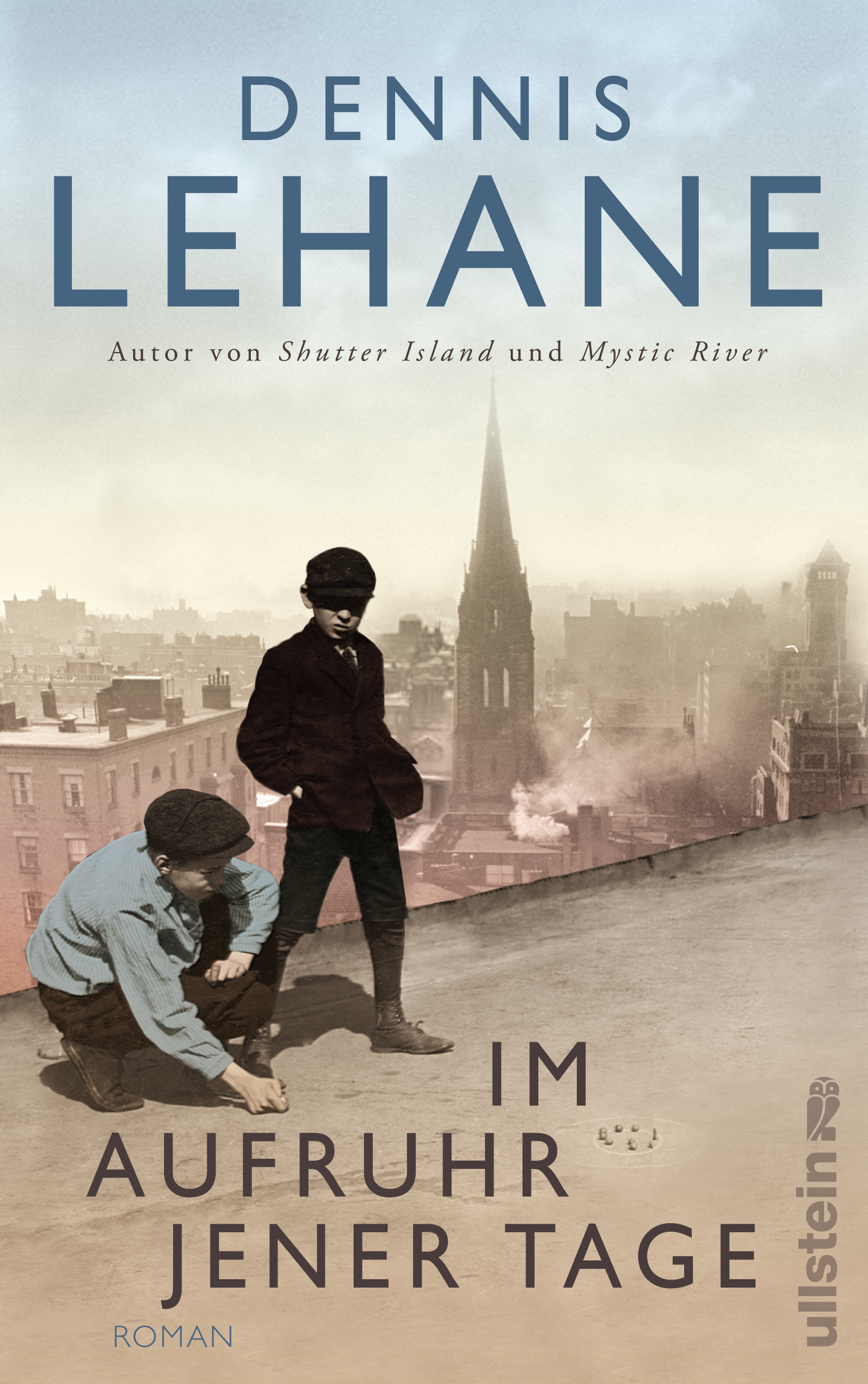
Dennis Lehane über „Im Aufruhr jener Tage“ (The given day)

April 12, 2010

Der neue Roman von „Shutter Island“-Autor Dennis Lehane, „Im Aufruhr jener Tage“ (The given day, 2008), ist jetzt bei Ullstein erschienen. Aber 768 engbedruckte Zeilen zu lesen dauert einige Tage. Auch wenn es über den Streik der Bostoner Polizei nach dem Ersten Weltkrieg und die Geschichte einer Freundschaft in schwierigen Zeiten geht.

Vor oder begleitend zur Lektüre können wir uns anhören, was Dennis Lehane über „Im Aufruhr jener Tage“ sagt:

Er nimmt uns mit auf einen Spaziergang zu einigen für den Roman wichtigen Orten:

Zusammen mit Tess Gerritsen stellt er seinen neuen Roman vor:


Sachdienliche Hinweise

April 9, 2010

Hardboiled Wonderland hat sich mit Duane Swierczynski (aka Duane Louis) über Genres, seine Bücher, „Level 26“ und den ganzen Rest unterhalten:

I love ticking clock stories — there something about them that tells the reader, „Look, there will be no fucking about with this one. We’re on a tight schedule, so buckle up.“

But like you said, it also helps me focus. Creative restrictions (be they temporal, or spatial, or otherwise) are a huge help to me. Every novel so far has had some set of handcuffs. That said, my next big novel project will be different in that there will be no ticking clock, and it will take place over a (relatively) long period of time — which is something very new for me. (…)

I do enjoy the extremes, and for whatever reason I seem drawn to writing about people on the worst days of their lives — and watching how they deal (or don’t deal) with it. These kinds of things fascinate me.

Dort gibt es auch ein, ebenfalls lesenswertes, Interview mit Victor Gischler.

The Rap Sheet hat Ali Karim zu „An Hour with Lee Child“ verdonnert. Ali war erfreut.


Spinnen die?

April 9, 2010

Als ich diese Überschrift las, war ich begeistert:

Javier Bardem, Jason Statham, and Mickey Rourke may star in upcoming Tony Scott Film POTZDAMER PLATZ

Endlich schien die schon seit Ewigkeiten angekündigte und sich in Entwicklung befindende Verfilmung von Buddy Giovinazzos gleichnamigem Roman in die Gänge zu kommen.

Dann las ich in dem Artikel, dass die Geschichte von Berlin nach Puerto Rico verlegt werden soll und ich dachte: „Spinnen die?“

Giovinazzos Geschichte lebt doch gerade von dem Aufeinandertreffen unterschiedlicher Gangsterkulturen und Mentalitäten im Berlin der Nachwendezeit, als verschiedene Baufirmen sich um die Bebauung des damals noch brach liegenden Potsdamer Platzes kabbelten.

Und jetzt soll die Geschichte nach Südamerika verlegt werden? Ihr soll also genau das, was die Geschichte so einzigartig macht, genommen werden?

Das kann ein guter Film werden, aber mit Buddy Giovinazzos Roman hat das dann nichts mehr zu tun.


Kleinkram

April 5, 2010

Die Nominierungen für den Science-Fiction-Preis „Hugo“ sind draußen.

Die April-Ausgabe von „The Big Thrill“ ist online. Dieses Mal werden unter anderem Gayle Lynds, Laurie R. KingR. L. Stine, Tess Gerritsen (über Ken Folletts „Die Nadel“) und Harlan Coben in Porträts und Interviews vorgestellt.

Im Rap Sheet unterhält J. Kingston Pierce sich mit Philip Kerr.

Jonathan Kellerman nennt seine zehn liebsten L.-A.-Noir-Krimis. Neben erwartbaren Namen wie Chandler, Latimer und Ellroy gibt es auch einige Überraschungen.

Lee Goldberg hat sich über vier Stunden mit Glen A. Larson (Quincy, Magnum, Knight Rider, Kampfstern Galactica) unterhalten.

Spinetingler unterhält sich mit Robert Crais (ein in den USA sehr beliebter Krimiautor, der seit Jahren nicht mehr übersetzt wird):

For me, a good novel means a novel I enjoy. A good novel has to have subtext of some kind, though that subtext doesn’t necessarily have to be about hit-you-over-the-head social issues—it can be something as simple and universal as, say, friendship, since you used that example. I just enjoy novels where the characters and the writing have a certain depth—to me, that’s good writing. Sometimes, the very best novels, and the very best writing, occur when that stuff is invisible. It might be there. It might be in the writer’s heart, and in the building blocks of the characters, but it’s invisible. Like the best film editing. You never notice–and you shouldn’t notice–the very best film editing, yet editing can make or break a film. If a story isn’t about something, then all you have is episode nine of a crappy TV series. Jesus, who wants to read that? No one.

William Martell setzt bei „Sex in a Submarine“ seine ausführlichen Besprechungen von Alfred-Hitchcock-Filmen fort. Zuletzt:

– Notorious (Weißes Gift, Berüchtigt)

– The Paradine Case (Der Fall Paradin)

Weniger ausführlich schreibt er über die Humphrey-Bogart-Filme „Dark Passage“ (USA 1947, Die schwarze Natter; Das unbekannte Gesicht) und „Dead Reckoning“ (USA 1946, Späte Sühne).

Ken Bruen und seine, hm, Nebendarsteller.

Crime Factory No. 2 ist online.

Und Adrian McKinty enthüllt ein Geheimnis.


David Mamet schreibt ein Memo

April 4, 2010

Inzwischen macht das Memo von David Mamet an die Autoren der grandiosen Militär-Actionserie „The Unit“ im Netz die Runde und es ist zu gut, um in der Kriminalakte nur in Ausschnitten dokumentiert zu werden.

Dummerweise schult das Memo den Blick für überflüssige und schlechte Szenen und damit leider auch für das Gewürge, das ich vor allem in deutschen Filmen viel zu oft sehe. Denn viel zu viele Szenen bringen die Geschichte nicht voran.

Und, nein, das ist nicht unbedingt und nicht immer die Schuld der Autoren. Denn bevor wir einen Film im TV sehen, haben auch Regisseure, Redakteure, Produzenten und eine Busladung anderer „Kreativer“ ihre Finger im Spiel. Nicht immer zum Vorteil des Endproduktes.

TO THE WRITERS OF THE UNIT

GREETINGS.

AS WE LEARN HOW TO WRITE THIS SHOW, A RECURRING PROBLEM BECOMES CLEAR.

THE PROBLEM IS THIS: TO DIFFERENTIATE BETWEEN *DRAMA* AND NON-DRAMA. LET ME BREAK-IT-DOWN-NOW.

EVERYONE IN CREATION IS SCREAMING AT US TO MAKE THE SHOW CLEAR. WE ARE TASKED WITH, IT SEEMS, CRAMMING A SHITLOAD OF *INFORMATION* INTO A LITTLE BIT OF TIME.

OUR FRIENDS. THE PENGUINS, THINK THAT WE, THEREFORE, ARE EMPLOYED TO COMMUNICATE *INFORMATION* — AND, SO, AT TIMES, IT SEEMS TO US.

BUT NOTE:THE AUDIENCE WILL NOT TUNE IN TO WATCH INFORMATION. YOU WOULDN’T, I WOULDN’T. NO ONE WOULD OR WILL. THE AUDIENCE WILL ONLY TUNE IN AND STAY TUNED TO WATCH DRAMA.

QUESTION:WHAT IS DRAMA? DRAMA, AGAIN, IS THE QUEST OF THE HERO TO OVERCOME THOSE THINGS WHICH PREVENT HIM FROM ACHIEVING A SPECIFIC, *ACUTE* GOAL.

SO: WE, THE WRITERS, MUST ASK OURSELVES *OF EVERY SCENE* THESE THREE QUESTIONS.

1) WHO WANTS WHAT?

2) WHAT HAPPENS IF HER DON’T GET IT?

3) WHY NOW?

THE ANSWERS TO THESE QUESTIONS ARE LITMUS PAPER. APPLY THEM, AND THEIR ANSWER WILL TELL YOU IF THE SCENE IS DRAMATIC OR NOT.

IF THE SCENE IS NOT DRAMATICALLY WRITTEN, IT WILL NOT BE DRAMATICALLY ACTED.

THERE IS NO MAGIC FAIRY DUST WHICH WILL MAKE A BORING, USELESS, REDUNDANT, OR MERELY INFORMATIVE SCENE AFTER IT LEAVES YOUR TYPEWRITER. *YOU* THE WRITERS, ARE IN CHARGE OF MAKING SURE *EVERY* SCENE IS DRAMATIC.

THIS MEANS ALL THE “LITTLE” EXPOSITIONAL SCENES OF TWO PEOPLE TALKING ABOUT A THIRD. THIS BUSHWAH (AND WE ALL TEND TO WRITE IT ON THE FIRST DRAFT) IS LESS THAN USELESS, SHOULD IT FINALLY, GOD FORBID, GET FILMED.

IF THE SCENE BORES YOU WHEN YOU READ IT, REST ASSURED IT *WILL* BORE THE ACTORS, AND WILL, THEN, BORE THE AUDIENCE, AND WE’RE ALL GOING TO BE BACK IN THE BREADLINE.

SOMEONE HAS TO MAKE THE SCENE DRAMATIC. IT IS NOT THE ACTORS JOB (THE ACTORS JOB IS TO BE TRUTHFUL). IT IS NOT THE DIRECTORS JOB. HIS OR HER JOB IS TO FILM IT STRAIGHTFORWARDLY AND REMIND THE ACTORS TO TALK FAST. IT IS *YOUR* JOB.

EVERY SCENE MUST BE DRAMATIC. THAT MEANS: THE MAIN CHARACTER MUST HAVE A SIMPLE, STRAIGHTFORWARD, PRESSING NEED WHICH IMPELS HIM OR HER TO SHOW UP IN THE SCENE.

THIS NEED IS WHY THEY *CAME*. IT IS WHAT THE SCENE IS ABOUT. THEIR ATTEMPT TO GET THIS NEED MET *WILL* LEAD, AT THE END OF THE SCENE,TO *FAILURE* – THIS IS HOW THE SCENE IS *OVER*. IT, THIS FAILURE, WILL, THEN, OF NECESSITY, PROPEL US INTO THE *NEXT* SCENE.

ALL THESE ATTEMPTS, TAKEN TOGETHER, WILL, OVER THE COURSE OF THE EPISODE, CONSTITUTE THE *PLOT*.

ANY SCENE, THUS, WHICH DOES NOT BOTH ADVANCE THE PLOT, AND STANDALONE (THAT IS, DRAMATICALLY, BY ITSELF, ON ITS OWN MERITS) IS EITHER SUPERFLUOUS, OR INCORRECTLY WRITTEN.

YES BUT YES BUT YES BUT, YOU SAY: WHAT ABOUT THE NECESSITY OF WRITING IN ALL THAT “INFORMATION?”

AND I RESPOND “*FIGURE IT OUT*” ANY DICKHEAD WITH A BLUESUIT CAN BE (AND IS) TAUGHT TO SAY “MAKE IT CLEARER”, AND “I WANT TO KNOW MORE *ABOUT* HIM”.

WHEN YOU’VE MADE IT SO CLEAR THAT EVEN THIS BLUESUITED PENGUIN IS HAPPY, BOTH YOU AND HE OR SHE *WILL* BE OUT OF A JOB.

THE JOB OF THE DRAMATIST IS TO MAKE THE AUDIENCE WONDER WHAT HAPPENS NEXT. *NOT* TO EXPLAIN TO THEM WHAT JUST HAPPENED, OR TO*SUGGEST* TO THEM WHAT HAPPENS NEXT.

ANY DICKHEAD, AS ABOVE, CAN WRITE, “BUT, JIM, IF WE DON’T ASSASSINATE THE PRIME MINISTER IN THE NEXT SCENE, ALL EUROPE WILL BE ENGULFED IN FLAME”

WE ARE NOT GETTING PAID TO *REALIZE* THAT THE AUDIENCE NEEDS THIS INFORMATION TO UNDERSTAND THE NEXT SCENE, BUT TO FIGURE OUT HOW TO WRITE THE SCENE BEFORE US SUCH THAT THE AUDIENCE WILL BE INTERESTED IN WHAT HAPPENS NEXT.

YES BUT, YES BUT YES *BUT* YOU REITERATE.

AND I RESPOND *FIGURE IT OUT*.

*HOW* DOES ONE STRIKE THE BALANCE BETWEEN WITHHOLDING AND VOUCHSAFING INFORMATION? *THAT* IS THE ESSENTIAL TASK OF THE DRAMATIST. AND THE ABILITY TO *DO* THAT IS WHAT SEPARATES YOU FROM THE LESSER SPECIES IN THEIR BLUE SUITS.

FIGURE IT OUT.

START, EVERY TIME, WITH THIS INVIOLABLE RULE: THE *SCENE MUST BE DRAMATIC*. IT MUST START BECAUSE THE HERO HAS A PROBLEM, AND IT MUST CULMINATE WITH THE HERO FINDING HIM OR HERSELF EITHER THWARTED OR EDUCATED THAT ANOTHER WAY EXISTS.

LOOK AT YOUR LOG LINES. ANY LOGLINE READING “BOB AND SUE DISCUSS…” IS NOT DESCRIBING A DRAMATIC SCENE.

PLEASE NOTE THAT OUR OUTLINES ARE, GENERALLY, SPECTACULAR. THE DRAMA FLOWS OUT BETWEEN THE OUTLINE AND THE FIRST DRAFT.

THINK LIKE A FILMMAKER RATHER THAN A FUNCTIONARY, BECAUSE, IN TRUTH, *YOU* ARE MAKING THE FILM. WHAT YOU WRITE, THEY WILL SHOOT.

HERE ARE THE DANGER SIGNALS. ANY TIME TWO CHARACTERS ARE TALKING ABOUT A THIRD, THE SCENE IS A CROCK OF SHIT.

ANY TIME ANY CHARACTER IS SAYING TO ANOTHER “AS YOU KNOW”, THAT IS, TELLING ANOTHER CHARACTER WHAT YOU, THE WRITER, NEED THE AUDIENCE TO KNOW, THE SCENE IS A CROCK OF SHIT.

DO *NOT* WRITE A CROCK OF SHIT. WRITE A RIPPING THREE, FOUR, SEVEN MINUTE SCENE WHICH MOVES THE STORY ALONG, AND YOU CAN, VERY SOON, BUY A HOUSE IN BEL AIR *AND* HIRE SOMEONE TO LIVE THERE FOR YOU.

REMEMBER YOU ARE WRITING FOR A VISUAL MEDIUM. *MOST* TELEVISION WRITING, OURS INCLUDED, SOUNDS LIKE *RADIO*. THE *CAMERA* CAN DO THE EXPLAINING FOR YOU. *LET* IT. WHAT ARE THE CHARACTERS *DOING* -*LITERALLY*. WHAT ARE THEY HANDLING, WHAT ARE THEY READING. WHAT ARE THEY WATCHING ON TELEVISION, WHAT ARE THEY *SEEING*.

IF YOU PRETEND THE CHARACTERS CANT SPEAK, AND WRITE A SILENT MOVIE, YOU WILL BE WRITING GREAT DRAMA.

IF YOU DEPRIVE YOURSELF OF THE CRUTCH OF NARRATION, EXPOSITION,INDEED, OF *SPEECH*. YOU WILL BE FORGED TO WORK IN A NEW MEDIUM – TELLING THE STORY IN PICTURES (ALSO KNOWN AS SCREENWRITING)

THIS IS A NEW SKILL. NO ONE DOES IT NATURALLY. YOU CAN TRAIN YOURSELVES TO DO IT, BUT YOU NEED TO *START*.

I CLOSE WITH THE ONE THOUGHT: LOOK AT THE *SCENE* AND ASK YOURSELF “IS IT DRAMATIC? IS IT *ESSENTIAL*? DOES IT ADVANCE THE PLOT?

ANSWER TRUTHFULLY.

IF THE ANSWER IS “NO” WRITE IT AGAIN OR THROW IT OUT. IF YOU’VE GOT ANY QUESTIONS, CALL ME UP.

LOVE, DAVE MAMET

SANTA MONICA 19 OCTO 05

(via Slashfilm)


Die Spinetingler-Nominierungen 2010

April 4, 2010

Der Spinetingler-Preis wird dieses Mal nach einem leicht anderen Verfahren (keine Angst, es ist immer noch ein Publikumspreis, aber die Stimmabgabe ist etwas anders) vergeben. Das geht bis Ende April und am 1. Mai werden die Sieger veröffentlicht.

Die Kategorien blieben gleich:

New Voice (eins bis drei Romane)

A Bad Day For Sorry, von Sophie Littlefield

Balzac of the Badlands, von Steve Finbow

Dope Thief, von Dennis Tafoya

The Ghosts of Belfast, von Stuart Neville

I-5, von Summer Brenner

In Their Blood, von Sharon Potts

The Lost Sister, von Russel D. McLean

Mixed Blood (Kap der Finsternis), von Roger Smith

Ravens, von George Dawes Green

The Weight of Silence, von Heather Gudenkauf

Rising Star (vier bis acht Romane)

50 Grand, von Adrian McKinty

Await Your Reply, von Dan Chaon

The Devil’s Staircase, von Helen Fitzgerald

Finch, von Jeff VanderMeer

Last Days, von Brian Evenson

Safer, von Sean Doolittle

Legend (mindestens neun Romane)

The Complaints (Ein reines Gewissen), von Ian Rankin

The Midnight Room, von Ed Gorman

The Mystic Arts of Erasing All Signs of Death (Das Clean-Team), von Charlie Huston

The Scarecrow, von Michael Connelly

Shadow Season, von Tom Piccirilli

Tower, von Reed Farrel Coleman und Ken Bruen

Best Short Story on the Web

M-N-S (n) murder-necrophilia-suicide, von Anonymous 9 aus Plots with Guns

Flesh Rule, von Frank Bill aus Plots with Guns

Blurred Lines, von Michael Moreci aus A Twist of Noir

Survival Instincts, von Sandra Seamans aus Pulp Pusher

At Least I felt Something, von Sophie Littlefield aus The Drowning Machine

My Father’s Son, von Alan Griffiths aus A Twist of Noir

The Present, von Mark Joseph Kiewlak aus A Twist Of Noir

Insatiable, von Hillary Davidson aus Beat to a Pulp

A Wild and Crazy Night, von John Kenyon aus Beat to a Pulp

The Tut, von Paul D Brazill aus Beat to a Pulp

Best Mystery or Crime Comic/Graphic Novel

Back to Brooklyn, von Garth Ennis, Jimmy Palmiotti und Mihailo Vukelic (Image)

Britten and Brulightly, von Hannah Berry (Metropolitan Books)

Chew, von John Layman und Rob Guillory (Image)

Leo Pulp, von Claudo Nizzi und Massimo Bonfatti (IDW)

Low Moon, von Jason (Fantagraphics Books)

Noir, von verschiedenen Autoren (Dark Horse)

Parker: The Hunter, von Darwyn Cooke (IDW)

Scalped, von Jason Aaron und R. M. Guéra (Vertigo)

West Coast Blues, von Jacques Tardi und Jean-Patrick Manchette (Fantagraphic Books)

You Have Killed Me, von Jamie Rich und Joelle Jones (Oni Press)

Best Mystery/Crime Fiction Press, Publisher or Imprint

Bitter Lemon Press

Busted Flush Press

New Pulp Press

Serpent’s Tail

Soho Press Books

Switchblade

Special Services to the Industry & Community

The Big Adios

Bookgasm

Crimeculture

Friday’s Forgotten Books

My Little Corner

Best Reviewer

Jen Forbus

Lesa Holstine

The Nerd of Nor

Peter Rozovsky

Cory Wilde

Best Cover

Ja, nee, das müsst ihr euch ansehen. Da hilft nichts.


ITW nominiert beste Thriller 2010

März 31, 2010

Die Autorenorganisation International Thriller Writers (ITW) hat die Nominierungsliste für den diesjährigen Thriller Award veröffentlicht:

Best Hard Cover Novel

VANISHED von Joseph Finder

LONG LOST von Harlan Coben

FEAR THE WORST von Linwood Barclay

THE NEIGHBOR von Lisa Gardner

THE RENEGADES von T. Jefferson Parker

Best Paperback Original

SHADOW SEASON von Tom Piccirilli

URGE TO KILL von John Lutz

VENGEANCE ROAD von Rick Mofina

THE COLDEST MILE von Tom Piccirilli

NO MERCY von John Gilstrap

Best First Novel

FRAGMENT von Warren Fahy

DEAD MEN’S DUST (Der Knochensammler) von Matt Hilton

COLLISION OF EVIL von John J. Le Beau

DRACULA: THE UN-DEAD von Dacre Stoker

RUNNING FROM THE DEVIL von Jamie Freveletti

Best Short Story

THE DESERT HERE AND THE DESERT FAR AWAY von Marcus Sakey

A STAB IN THE HEART von Twist Phelan

AFTERSHOCK & OTHERS von F. Paul Wilson

ICED von Harry Hunsicker

BOLDT’S BROKEN ANGEL von Ridley Pearson

Da sind dieses Jahr viele Autoren (Finder, Coben, Parker, Piccirilli, Lutz, Mofina, Hilton) und Werke dabei, die ich noch unbedingt lesen will. Etliche der nominierten Werke dürften auch dieses und nächstes Jahr übersetzt werden.


Kleinkram zwischen Stoker Award 2009 und Spinetingler Award 2010

März 31, 2010

Die Horror Writers Association hat den „Bram Stoker Award 2009“ vergeben:

Superior Achievement in a NOVEL

AUDREY’S DOOR von Sarah Langan (Harper)

Superior Achievement in a FIRST NOVEL

DAMNABLE von Hank Schwaeble (Jove)

Superior Achievement in LONG FICTION

THE LUCID DREAMING von Lisa Morton (Bad Moon Books)

Superior Achievement in SHORT FICTION

In the Porches of My Ears” von Norman Prentiss (POSTSCRIPTS #18)

Superior Achievement in an ANTHOLOGY

HE IS LEGEND herausgegeben von Christopher Conlon (Gauntlet Press)

Superior Achievement in a COLLECTION

A TASTE OF TENDERLOIN von Gene O’Neill (Apex Book Company)

Superior Achievement in NONFICTION

WRITERS WORKSHOP OF HORROR von Michael Knost (Woodland Press)

Superior Achievement in POETRY

CHIMERIC MACHINES von Lucy A. Snyder (Creative Guy Publishing)

Those Sexy Vintage Sleaze Books hat ein Buch von Sheldon Lord (auch bekannt als one and only Lawrence Block) entdeckt: Of Shame and Joy.

Joe Lansdale beantwortet den Sons of Spade einige Fragen:

I based a lot of Hap on myself, and Leonard on friends of mine. It’s that simple. But, of course, a lot of who they are is made up. I had a number of the jobs Hap had, and some of the other experiences. No murders and killings, but the background.

„Battlefield Earth“ hat kürzlich den Razzie als schlechtester Film des Jahrzehnts erhalten. Drehbuchautor J. D. Shapiro hat den Preis persönlich entgegengenommen und die Gelegenheit genutzt, ein wenig aus dem Nähkästchen zu plaudern:

It wasn’t as I intended — promise. No one sets out to make a train wreck. Actually, comparing it to a train wreck isn’t really fair to train wrecks, because people actually want to watch those. (…)

My script was very, VERY different than what ended up on the screen. My screenplay was darker, grittier and had a very compelling story with rich characters. What my screenplay didn’t have was slow motion at every turn, Dutch tilts, campy dialogue, aliens in KISS boots, and everyone wearing Bob Marley wigs.(…)

The only time I saw the movie was at the premiere, which was one too many times. (…)

Now, looking back at the movie with fresh eyes, I can’t help but be strangely proud of it. Because out of all the sucky movies, mine is the suckiest.

Horrorautor Norman Partridge hat sich mit Duane Swierczynski (aka Duane Louis) unterhalten:

It’s the work that matters. Don’t get caught up in the rest of the nonsense — the business and marketing and trend-watching and all of that. Sure, it’s important. But the work comes first. Sit your butt in a chair and keep writing. When you’re not writing, read your eyeballs out.

Spinetingler hat sich mit P. D. James unterhalten.
Die neue Ausgabe von Plots with Guns ist online.
Spinetingler hat die Nominierungsliste für die „Best Short Story on the Web“ veröffentlicht:

A Wild and Crazy Night by John Kenyon from Beat to a Pulp

At Least I felt Something by Sophie Littlefield from The Drowning Machine

Blurred Lines by Michael Moreci from A Twist of Noir

Flesh Rule by Frank Bill from Plots with Guns

Insatiable by Hilary Davidson from Beat to a Pulp

My Father’s Son by Alan Griffiths from A Twist of Noir

M-N-S (n) murder-necrophilia-suicide by Anonymous 9 from Plots with Guns

The Present by Mark Joseph Kiewlak from A Twist Of Noir

Survival Instincts by Sandra Seamans from Pulp Pusher

The Tut by Paul D Brazill from Beat to a Pulp

und demnächst wird der Weg zur Wahlkabine ausgeschildert.

Dennis Hopper und der Stern

März 29, 2010

Die Enthüllung seines Sterns auf dem Walk of Fame am vergangenen Freitag (26. März)  ist wahrscheinlich der letzte öffentliche Aufritt von Dennis Hopper:

Er hat Prostatakrebs und ist in einen sehr unschönen Scheidungsstreit verwickelt (mehr hier).


„24“ erlebt keinen neunten TV-Tag

März 27, 2010

In den vergangenen Tagen gab es einige Meldungen über das mögliche Ende der Serie, einen Umzug zu einem anderen Sender und einem Kinofilm.

Jetzt ist das Ende der TV-Serie nach der achten Staffel (die derzeit in den USA ausgestrahlt wird) beschlossen. Letztendlich dürfte es an den gestiegenen Kosten und den anstehenden Gehaltsverhandlungen gelegen haben. Außerdem soll man dann aufhören, wenn es am schönsten ist.

Aber halt: die wollen jetzt einen Kinofilm machen. Er soll in Europa spielen und Billy Ray schreibt das Drehbuch. Ray schrieb die Bücher für „State of Play“ und „Das Tribunal“ (Hart’s War). Für seine beiden Spielfilme „Enttarnt“ (Breach) und „Lüge und Wahrheit“ (Shattered Glass) schrieb er ebenfalls die Bücher.

Hier die Pressemitteilung von Fox (habe auf kürzere Version verlinkt):

24: DAY EIGHT” WILL BE THE AWARD-WINNING SERIES’ FINAL SEASON

Two-Hour Series Finale Airs Monday, May 24, on FOX

In a joint decision made by 24’s star and executive producer Kiefer Sutherland, executive producer and showrunner Howard Gordon, Twentieth Century Fox Television, Imagine Entertainment and Fox Broadcasting Company, it was determined that the acclaimed series will end its remarkable eight-season run. Jack Bauer’s last day on FOX will conclude when the final two hours of “Day Eight” air Monday, May 24 (8:00-10:00 PM ET/PT). As the countdown to the series’ climactic conclusion races on, the final 11 hours will air uninterrupted Mondays (9:00-10:00 PM ET/PT) on FOX.

Multiple award-winning series star Kiefer Sutherland reflected on the show’s run: “This has been the role of a lifetime, and I will never be able to fully express my appreciation to everyone who made it possible. While the end of the series is bittersweet, we always wanted 24 to finish on a high note, so the decision to make the eighth season our last was one we all agreed upon. This feels like the culmination of all our efforts from the writers to the actors to our fantastic crew and everyone at Fox. Looking ahead to the future, Howard Gordon and I are excited about the opportunity to create the feature film version of 24. But when all is said and done, it is the loyal worldwide fan base that made it possible for me to have the experience of playing the role of Jack Bauer, and for that I am eternally grateful.”

Executive producer and showrunner Howard Gordon said, “Kiefer and I have loved every minute of making 24, but we all believe that now is the right time to call it a day. I echo his sentiments of gratitude toward the show’s amazing creative team, as well as the studio and network who have always believed in us and shown us unbelievable support.”

24 is so much more than just a TV show – it has redefined the drama genre and created one of the most admired action icons in television history,” said Peter Rice, Chairman, Entertainment, Fox Networks Group. Kevin Reilly, President, Entertainment, Fox Broadcasting Company added, “We are extremely proud of this groundbreaking series and will be forever thankful to Kiefer, the producers, the cast and crew for everything they’ve put into 24 over the years. It’s truly been an amazing and unforgettable eight days.”

We are so grateful to Kiefer and Howard who have really poured their hearts and souls into making this show over the past eight seasons,” commented Gary Newman and Dana Walden, Chairmen, Twentieth Century Fox Television. “To everyone who contributed to this iconic series over its amazing run, we want to extend our heartfelt appreciation for your incredible work.”

Added Imagine Entertainment’s Brian Grazer, “I’m so proud to have been a part of 24, which has become such a cultural phenomenon. And to Kiefer and Howard and everyone who has worked on the show, many thanks.”

Now in its eighth season with Kiefer Sutherland starring as the heroic Jack Bauer, the inventive and suspenseful 24 has been nominated for a total of 68 Emmy Awards, winning for Outstanding Drama Series in 2006. Over the course of seven seasons, Sutherland garnered seven Emmy nominations and one win for Outstanding Lead Actor – Drama Series. While the series gained global recognition, Sutherland’s portrayal of the legendary character penetrated the American psyche like no other dramatic television character to become part of the English lexicon.

Premiering November 6, 2001, 24 employed a pioneering split-screen, fast-paced format with complex interweaving storylines as viewers followed anti-terrorism agent Jack Bauer through 24 pulse-pounding episodes, each covering one hour and presented in real time. Subsequent seasons combined the show’s unique and trend-setting format while delivering compelling new elements and attracting talented actors and guest stars, including the Emmy Award-winning Cherry Jones (President Allison Taylor). The series also currently stars Mary Lynn Rajskub (Chloe O’Brian), Anil Kapoor (Omar Hassan), Annie Wersching (Renee Walker), Katee Sackhoff (Dana Walsh), Mykelti Williamson (Brian Hastings), Freddie Prinze Jr. (Cole Ortiz), Chris Diamantopoulos (Rob Weiss) and John Boyd (Arlo Glass).

The first six seasons were set in Los Angeles, and following the strike-induced delay of Season Seven, “24: Redemption,” a two-hour film bridging Seasons Six and Seven, was set in Africa. Washington, D.C. was the setting for Season Seven, and the final season of 24 finds Jack Bauer thwarting a terrorist attack in New York.

At the conclusion of Season Eight, 24 will have a produced a total of 194 episodes (including “24: Redemption”), making it one of the longest-running action television shows in history.

Tune in Monday, March 29 (9:00-10:00 PM ET/PT) for the next all-new installment of 24 and Monday, April 5 (8:00-10:00 PM ET/PT) for a special two-hour episode.

(via Collider)


Nochmal Leipzig – mit Matt Beynon Rees und der Mimi

März 22, 2010

Auf dem Blauen Sofa hat Matt Beynon Rees Platz genommen.

Und die MIMI, der Krimi-Publikumspreis des deutschen Buchhandels wurde vergeben an Stephan Brüggenthies für „Der geheimnisvolle Junge“.

Ich finde den Vorsprung von „Der geheimnisvolle Junge“, wahrscheinlich weil ich das Buch gar nicht so richtig wahrgenommen habe, bemerkenswert:

  • 51,85% Stephan Brüggenthies, Der geheimnislose Junge (Eichborn)
  • 16,67% Fred Vargas, Der verbotene Ort (Aufbau)
  • 8,33% Jo Nesbø, Schneemann (Ullstein)
  • 7,41% Matt Beynon Rees, Der Verräter von Bethlehem (C.H.Beck)
  • 4,63% Val McDermid, Nacht unter Tag (Droemer)
  • 3,7% Simon Beckett, Leichenblässe (Wunderlich)
  • 2,78% Stieg Larsson, Verblendung (Heyne)
  • 1,85% Stieg Larsson, Vergebung (Heyne)
  • 1,85% Don Winslow, Pacific Private (Suhrkamp)
  • 0,93% Stieg Larsson, Verdammnis (Heyne)

Eine Meldung für die Fans von Henning Mankell

März 20, 2010

Wer mehr über „Der Feind im Schatten“ (erscheint am 30. April) wissen will, muss die deutsche Henning-Mankell-Homepage besuchen.

Und wer sich seine komplette Mankell-Sammlung signieren lassen will, kann dies hier erledigen:

31. März: Zürich (Kaufleuten)

1. Juni: Konstanz (Konzil)

3. Juni: Berlin (Volksbühne)

4. Juni: Düsseldorf (Capitol Theater)

5. Juni: Braunschweig (Stadthalle)


Die Scribe-Nominierungen

März 20, 2010

Die „International Association of Media Tie-In Writers“ (IAMTV) hat ihre diesjährigen Nominierungen veröffentlicht:

BEST NOVEL (GENERAL FICTION)

AS THE WORLD TURNS: THE MAN FROM OAKDALE von Henry Coleman und Alina Adams

CSI: BRASS IN POCKET von Jeff Mariotte

PSYCH: A MIND IS A TERRIBLE THING TO READ von William Rabkin

BEST NOVEL (SPECULATIVE FICTION)

STAR TREK VANGUARD: OPEN SECRETS (Star Trek Vanguard: Offene Geheimnisse) von Dayton Ward

STAR TREK: A SINGULAR DESTINY von Keith R.A. DeCandido

WARHAMMER: SHAMANSLAYER—A GOTREK AND FELIX NOVEL von Nathan Long

TERMINATOR SALVATION: COLD WAR von Greg Cox

ENEMIES & ALLIES von Kevin J. Anderson

BEST ADAPTATION (GENERAL & SPECULATIVE)

COUNTDOWN von Greg Cox

GI JOE: RISE OF THE COBRA von Max Allan Collins

THE TUDORS: THY WILL BE DONE von Elizabeth Massie

BEST YOUNG ADULT (ORIGINAL & ADAPTED)

CLOUDY WITH A CHANCE OF MEATBALLS von Stacia Deutsch and Rhody Cohon

BANDSLAM: THE NOVEL von Aaron Rosenberg

THUNDERBIRDS: DEADLY DANGER von Joan Marie Verba

GRANDMASTER

WILLIAM JOHNSTON

Die Preisverleihung ist während der Comic-Con International (22. – 25. Juli) in in San Diego.

Eine ziemlich SF-lastige Liste, aber mit CSI und Psych ist für Krimifans auch etwas dabei. Schade ist allerdings, dass die CSI-Roman nicht mehr und die Psych-Romane noch nie übersetzt wurden.

(via Lee Goldberg)


Leipzig mit Martin Cruz Smith

März 19, 2010

In Leipzig auf der Buchmesse gewesen. Einige Autoren gesehen, viele Verlage besucht und jetzt rechtschaffen müde.

Aber weil Martin Cruz Smith auch auf dem Blauen Sofa saß, könnt ihr euch das Gespräch mit ihm ansehen. Es lohnt sich.

Martin Cruz Smith stellt seinen neuen Arkadi-Renko-Roman „Die goldene Meile“ (Three Stations) vor.


KrimiWelt-Bestenliste April 2010

März 18, 2010

Deutlich früher als erwartet und ohne Sperrfrist trudelt die Bestenliste der Krimiwelt für den Ostermonat April ein. Aber wahrscheinlich wollte man nur die Leipziger Buchmesse mitnehmen.

Jedenfalls haben es diese Werke auf die Liste geschafft:

1 (-) Josh Bazell: Schneller als der Tod

2 (1) Roger Smith: Blutiges Erwachen

3 (-) Martin Cruz Smith: Die Goldene Meile

4 (2) James Ellroy: Blut will fließen

5 (9) Paulus Hochgatterer: Das Matratzenhaus

6 (6) Carol O’Connell: Such mich!

7 (-) Bernhard Jaumann: Die Stunde des Schakals

8 (-) Arne Dahl: Dunkelziffer

9 (-) Ian Rankin: Ein reines Gewissen

10 (7) Pablo de Santis: Das Rätsel von Paris

In ( ) ist die Platzierung des Vormonats.

Und schon wieder fünf neue Bücher. So schnell komm ich mit dem Lesen ja gar nicht nach.


Quentin Tarantinos „My Best Friend’s Birthday“

März 17, 2010

Vor allem für die Menschen, die sich wirklich alles von Quentin Tarantino ansehen müssen, ist „My Best Friend’s Birthday“; ein unvollendetes Werk, das er von 1985 bis 1987 mit seinen Kollegen von Video Archives für lau drehte. Als im Labor die letzten beiden Akte zerstört wurden, beerdigte man das Projekt. Tarantino verwandte einige Ideen aus dem Film für seine späteren Drehbücher und Filme.

My Best Friend’s Birthday“, gedreht auf 16mm in Schwarzweiß, sollte eine Screwball-Comedy werden. Die Story: ein Mann verliert einen Tag vor seinem dreißigsten Geburtstag seinen Job und seine Freundin. Sein bester Freund versucht ihn aufzuheitern.

Tarantino plante den Film nicht als Regiedebüt, sondern als schauspielerische Talentprobe. Aber später nannten sie das unvollendete Werk ihre Filmschule.

Tarantinos allererste Regiearbeit „Lovebirds in Bondage“ (USA 1983) existiert nicht mehr. Die wenigen gedrehten Szenen wurden zerstört.

So, und jetzt: Vorhang auf für „My Best Friend’s Birthday“

(via Die fünf Filmfreunde)


Left Coast Crime vergibt Preise

März 16, 2010

Am Wochenende war die Left Coast Crime Convention. Die Stimmung war ausgezeichnet (denk ich mal; jedenfalls war das Wetter in Los Angeles besser als in Berlin), es gab spannende Diskussionen (eine mit Lee Child) und es wurden auch einige Preis vergeben. Die glücklichen Gewinner sind:

Dilys Award (given out by the Independent Mystery Booksellers Association to “the mystery title of the year which the member booksellers have most enjoyed selling”)

The Sweetness at the Bottom of the Pie, von Alan Bradley (Delacorte)

nominiert

A Quiet Belief in Angels, von R.J. Ellory (Overlook)

The Dark Horse, von Craig Johnson (Viking)

The Girl Who Played with Fire (Verdammnis), von Stieg Larsson (Knopf)

The Ghosts of Belfast, von Stuart Neville (Soho)

The Brutal Telling, von Louise Penny (Minotaur)

The Shanghai Moon, von S.J. Rozan (Minotaur)

The Lefty Award (for a humorous mystery)

Getting Old Is a Disaster, von Rita Lakin (Dell)

nominiert

Swan for the Money, von Donna Andrews (Minotaur)

Living with Your Kids Is Murder, von Mike Befeler (Five Star)

Strangle a Loaf of Italian Bread, von Denise Dietz (Five Star)

High Crimes on the Magical Plane, von Kris Neri (Red Coyote Press)

The Bruce Alexander Award (for a historical mystery set before 1950)

A Trace of Smoke, von Rebecca Cantrell (Forge)

nominiert

Tears of Pearl, von Tasha Alexander (Minotaur)

In a Gilded Cage, von Rhys Bowen (Minotaur)

Freedom’s Fight, von Gary Phillips (Parker Publishing)

Serpent in the Thorns, von Jeri Westerson

The Panik Award (for L.A.-based noir, honoring deceased LCC 2010 chairman Paul Anik)

Death Was in the Picture, von Linda L. Richards (St. Martin’s Press)

nominiert

Cemetery Road, von Gar Anthony Haywood (Severn House)

Trust No One, von Gregg Hurwitz (St. Martin’s Press)

Boulevard, von Stephen J. Schwartz (Forge)

(via The Rap Sheet)